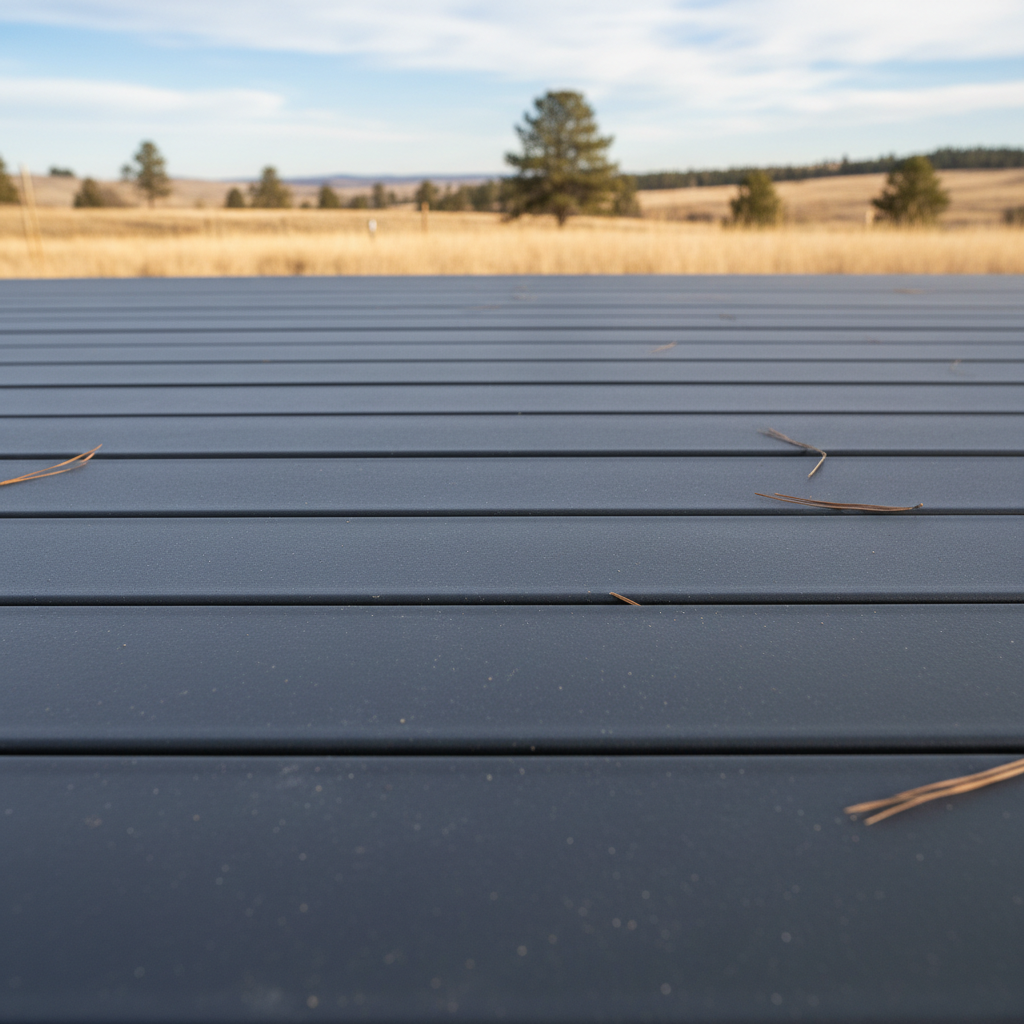
Is a metal deck really a good idea for Billings weather?
You bet it is. I've been building decks here in Billings for years, and I've seen firsthand how our weather can beat up other materials. We get those scorching summers, freezing winters, and sometimes hail that feels like rocks falling from the sky. Metal decks, especially steel or aluminum, are built to handle all of it. They don't warp, crack, or rot like wood can. You won't be staining or sealing them every couple of years, which is a huge time saver. They stand up to the sun without fading much and they shrug off ice and snow. It's a solid choice for our climate, no question.
What kind of maintenance does a metal deck need?
This is one of the biggest reasons people choose metal, and it's a good one. Compared to wood, the maintenance is practically nothing. You're not going to be sanding, staining, or sealing. Mostly, it's just keeping it clean. A good sweep to get rid of leaves and dirt, and maybe a wash down with a hose and some mild soap a couple of times a year. If you get any stubborn spots, a soft brush usually does the trick. That's it. No splinters, no rot, no constant upkeep. For folks who want to enjoy their deck, not work on it, it's a dream.
Are metal decks slippery when wet or icy?
That's a common concern, and it's a fair one, especially with our winters. Most modern metal decking materials are designed with textured surfaces to prevent slipping. They're not like a smooth sheet of metal. Many have embossed patterns or even a powder-coated finish that adds grip. Now, any surface can get slick with a thick layer of ice, but metal isn't inherently more slippery than a composite or even a wet wood deck. If you're really worried, you can opt for specific anti-slip coatings or choose decking with a more aggressive texture. We can show you samples at Billings Deck Creations so you can feel the difference.
How do metal decks compare in cost to wood or composite?
Alright, let's talk money. Upfront, metal decking can sometimes be a bit more expensive than a basic pressure-treated wood deck. It's usually comparable to, or sometimes slightly more than, higher-end composite decking. But here's where you need to look at the long game. With wood, you're constantly buying stain, sealer, and putting in the labor to apply it. You might also face repairs for rot or warping down the line. Composites have less maintenance but can still fade or scratch. Metal decks, with their minimal maintenance and incredible durability, often end up being more cost-effective over their lifespan. You're paying more for the initial investment, but you're saving a lot in time, materials, and peace of mind over the years. It's an investment that pays off, especially when you consider how long they last.
Will a metal deck get too hot in the Billings summer sun?
Another good question, especially when we hit those 90-degree days. Just like any surface exposed to direct sunlight, a metal deck will get warm. However, many metal decking options are designed to reflect heat better than dark-colored composites or even some wood. Lighter colors, in particular, will absorb less heat. Plus, metal dissipates heat pretty quickly once it's out of direct sun. It's not usually an issue that makes it unusable. If you're concerned, we can discuss lighter color options or even consider an awning or pergola to provide some shade during the hottest parts of the day. It's generally not a deal-breaker, and often less of an issue than a dark composite deck.
Can I customize the look of a metal deck to match my home?
Absolutely. This isn't your grandpa's corrugated tin roof material. Modern metal decking comes in a surprising variety of colors and finishes. You can get powder-coated options in different shades – grays, browns, even some blues or greens – that can complement your home's exterior. The railing systems offer a lot of flexibility too, from sleek cable railings to more traditional picket styles, all in durable metal. You can mix and match materials, too, like a metal deck frame with a different decking surface, or integrate lighting. We can design something that looks sharp and fits right in with the style of your home, whether it's a classic Rimrock home or a newer build out in the Heights. The options are a lot more diverse than most people realize.
How long does a metal deck typically last?
This is where metal really shines. We're talking decades, not just years. A properly installed metal deck, especially one made from galvanized steel or aluminum, can last 50 years or more with very little fuss. They're incredibly resistant to rot, insects, fire, and the kind of weather abuse we see here in Montana. You won't be replacing boards or dealing with structural issues that often plague wood decks after 15-20 years. It's a long-term solution that adds serious value and enjoyment to your home for a very, very long time. When you build with metal, you're building something that's going to outlast most other parts of your house.
What about noise? Do metal decks sound different when you walk on them?
That's a good point to bring up. Some people worry about a 'tinny' sound. Modern metal decking, especially the systems we install, are typically solid and well-supported, which helps dampen sound. They aren't hollow or flimsy. When properly installed, you'll find they feel very solid underfoot. You might notice a slightly different sound than wood, but it's not usually an issue that homeowners complain about. It's a firm, stable feel. If you're walking on it with hard-soled shoes, you might hear a bit more of a tap, but it's not an echo chamber. We always make sure everything is tight and secure, which minimizes any potential noise.